Fear of the ocean is something people rarely talk about openly - and yet it affects almost everyone who starts surfing. Sometimes it shows up on the beach, before you even get in the water. Sometimes it only hits when the first wave flips your board and your body has no idea which way is up. That's completely normal - surfing means stepping into a whole new environment, one that's unpredictable and full of stimuli.
This post is for you if the ocean makes you anxious - whether you're still planning your first surf camp, you've had a few lessons already, or you've even been through a difficult or traumatic experience in the water. Wherever you are on that journey, there's one thing worth knowing: fear is not an obstacle. Fear is a signal. Understanding it, taming it and building tools to deal with it - that's the foundation of mindful, safe surfing.
At LASTOUT we deal with this all the time. As coaches, we know how important both physical and mental preparation are. So in this article we'll show you where fear of the water comes from, how you can work with it, and what a huge role trust, knowledge and an experienced coach play. We'll also explain why an apnea course is one of the best tools for building confidence in the water - even for people who thought it 'wasn't for them'.
Where does fear of the ocean and waves come from?
Fear of the ocean is not a sign of weakness. It's your body and mind's natural reaction to an unfamiliar environment. Water - especially rough water - is a space with no reference points: there's no ground under your feet, you don't control where you're moving, and it's often hard to tell what's actually going on. So your nervous system automatically switches into alarm mode.
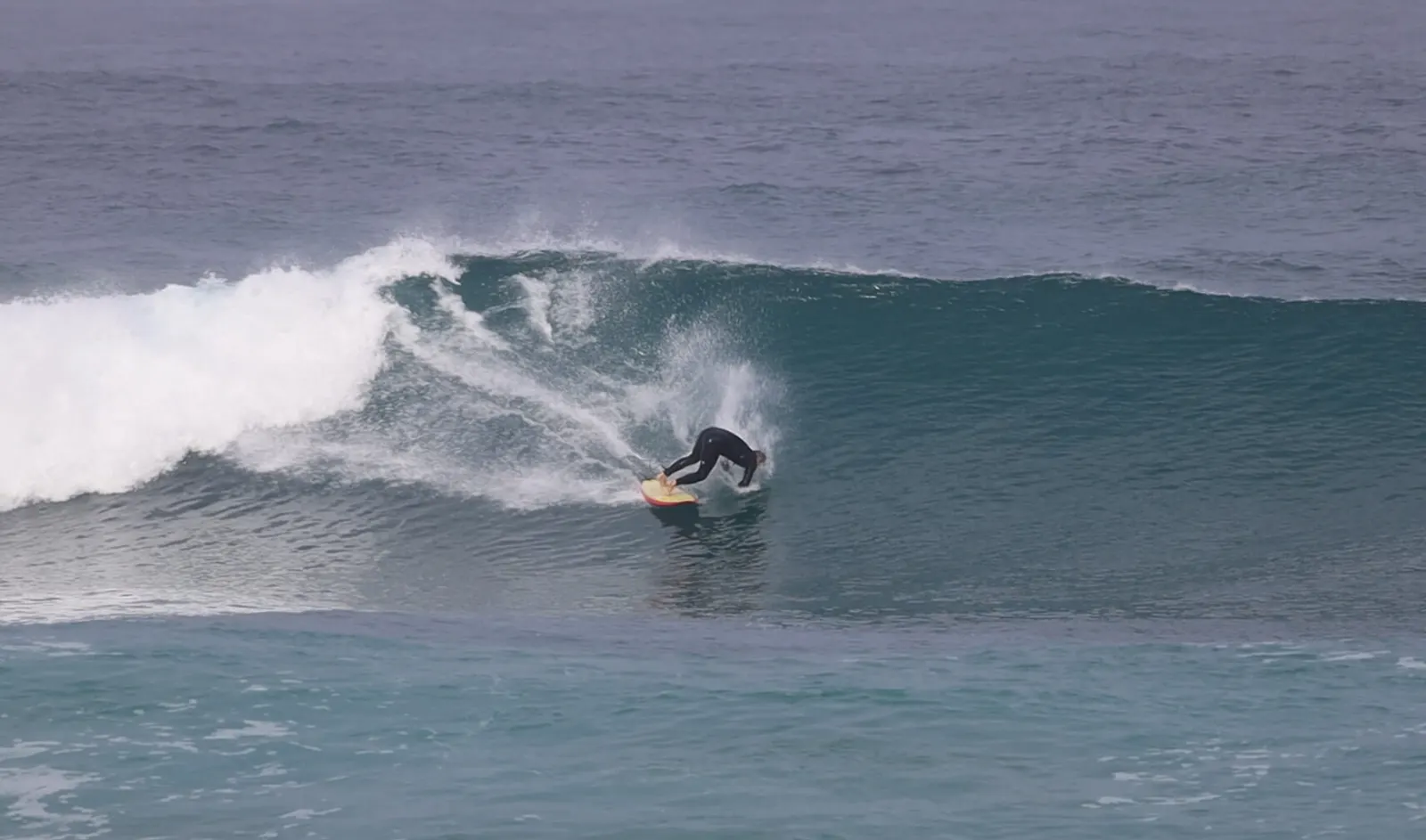
Then come the emotions and beliefs we often feed ourselves: fear of running out of air, of a wave that will 'bury' you, of drowning, of getting hurt, of embarrassing yourself in front of others. Sometimes the fear kicks in before you even get in the water, and sometimes only after your first wipeout, when you lose your bearings and your breath.
For some people, fear comes from past experiences - small ones that stay in the body as tension, or more serious ones that you could honestly call traumatic. Sometimes one single situation is enough to keep you away from the water for a long time.
That's why in surfing - especially at beginner level - it's not just technique that matters, but above all awareness and understanding of what's going on in your head and body. Fear is information. And if you read it correctly and take it seriously, it can become your ally instead of an obstacle.
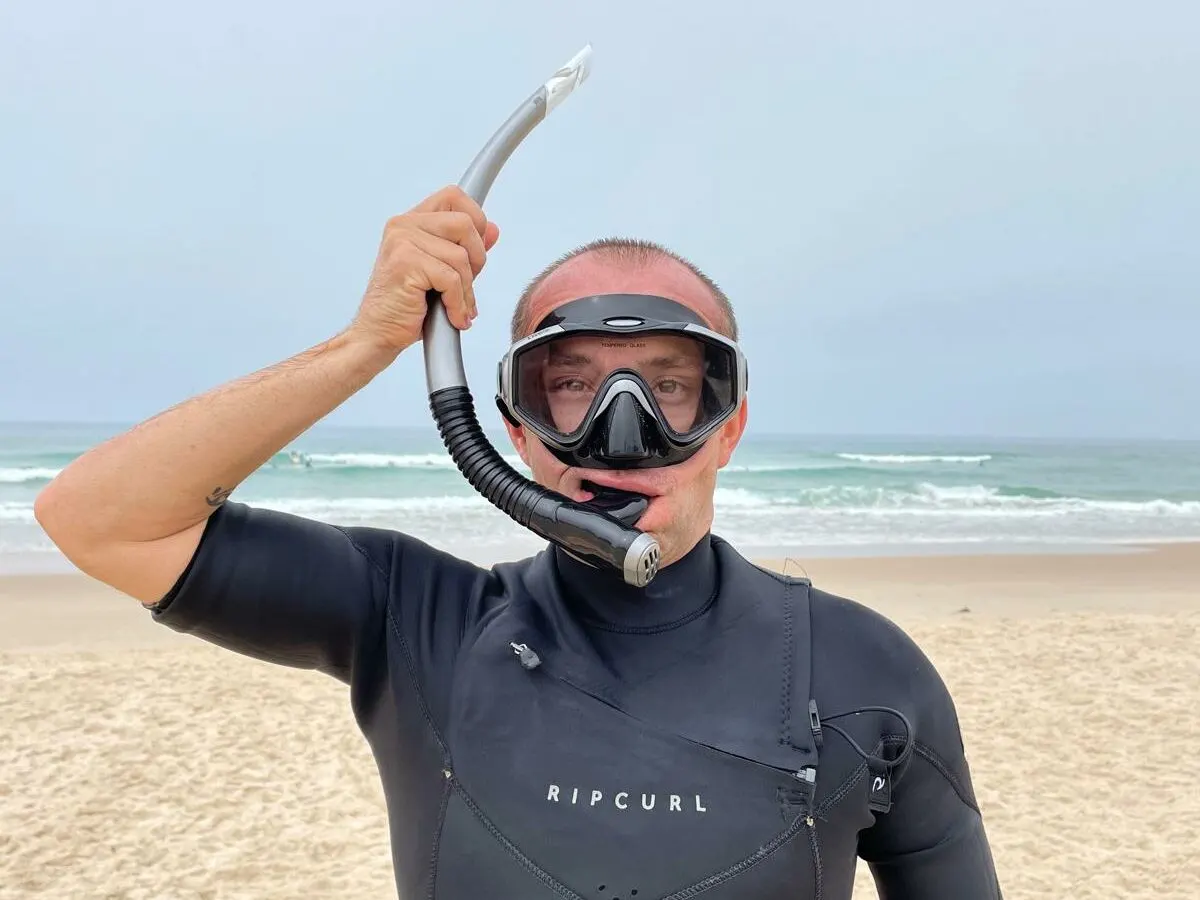
Mental coaching in practice: how to tame your fear of the ocean
Working with beginner surfers, we see it clearly: the biggest block isn't a lack of physical strength or technical skill. It's the head - specifically, what goes on in it before you paddle out and during your first few minutes in the ocean.
That's why working with both body and mind matters so much - in other words, mental coaching that gives you practical tools for building a sense of safety and control.
5 ways to tame your fear of the ocean
Breathing as a regulation tool Under stress, your breathing gets shallow and fast. But a calm, long exhale can switch on the part of your nervous system responsible for calming you down and regulating your emotions. Learning to breathe starts on the beach - and it has a huge impact on how you behave in the water.
Visualising situations in the water Picturing different scenarios - from taking off on a wave to falling - lets your mind prepare for them. So in the water you react more calmly and confidently, because your brain doesn't ambush you with panic.
A safety anchor A gesture, a thought, a ritual - something that brings you back to centre when anxiety creeps in. It could be a calm breath, eye contact with your coach, specific words or a movement. At LASTOUT we help our guests find their own 'anchor' that works for them.
Accepting discomfort You can't surf without discomfort - waves, chaos and falls are part of the process. Instead of fighting them, we learn to accept them as something natural. That changes your whole perspective.
Hesitation vs. commitment - a decision in one second When a wave comes and you start paddling, there's a key moment of decision: are you going for it or pulling back? Every hesitation costs you your timing. Commitment - fully deciding and going into the wave - builds your mental strength. We teach this not only on the wave, but from the very first moment on the beach.
Know your spot - knowledge is power
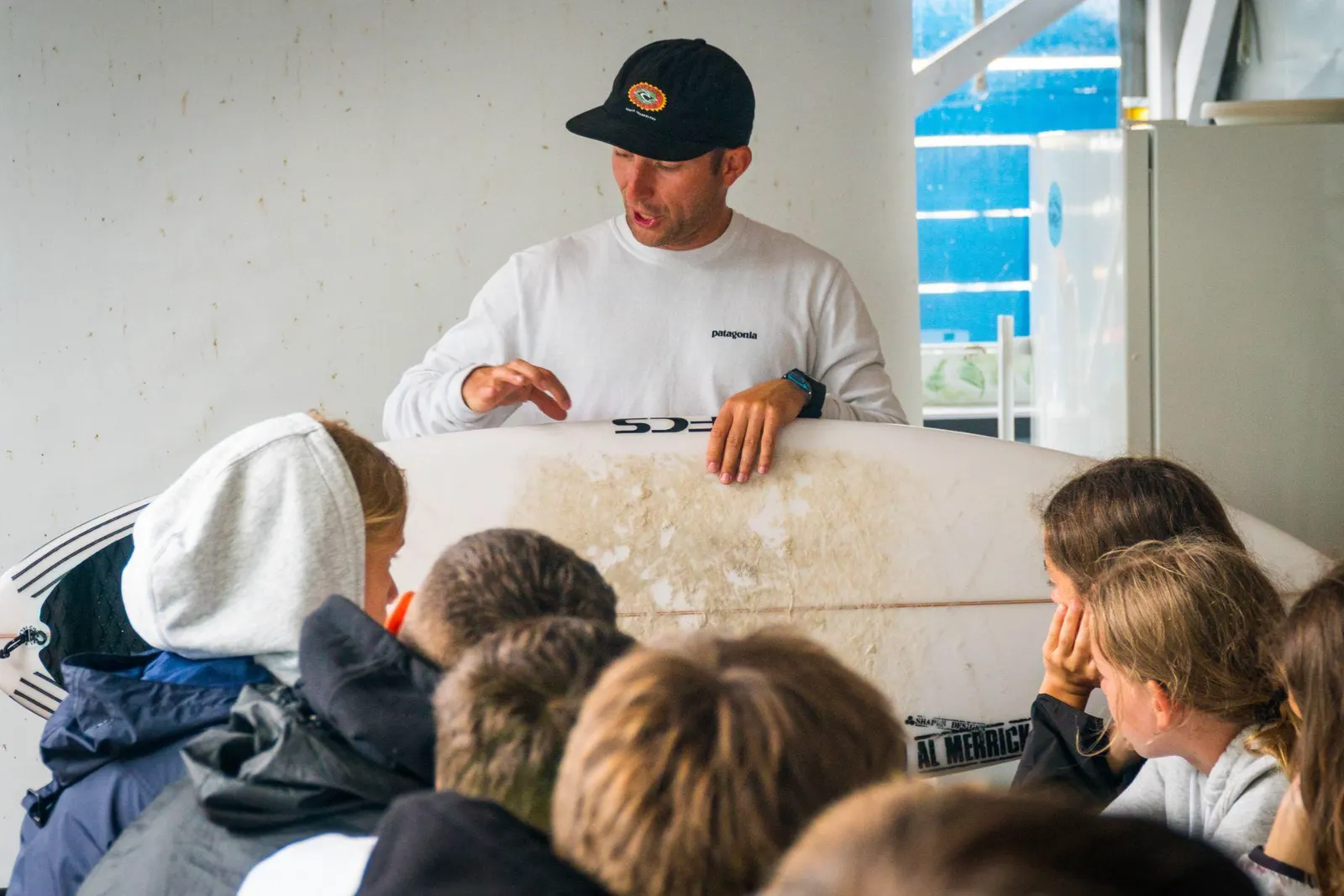
The ocean isn't a swimming pool, and it changes from hour to hour. Currents, tides, wind, the shape of the bottom, the waves - all of it matters. That's why every LASTOUT session starts with a briefing. We talk through the conditions, explain the difference between a beach break and a reef break, how a channel works, where to get in safely and how to get out.
For beginners, this knowledge is crucial. Once you understand what's happening in the water, you stop guessing and start acting with awareness. That brings your stress levels down and lets you focus on learning.
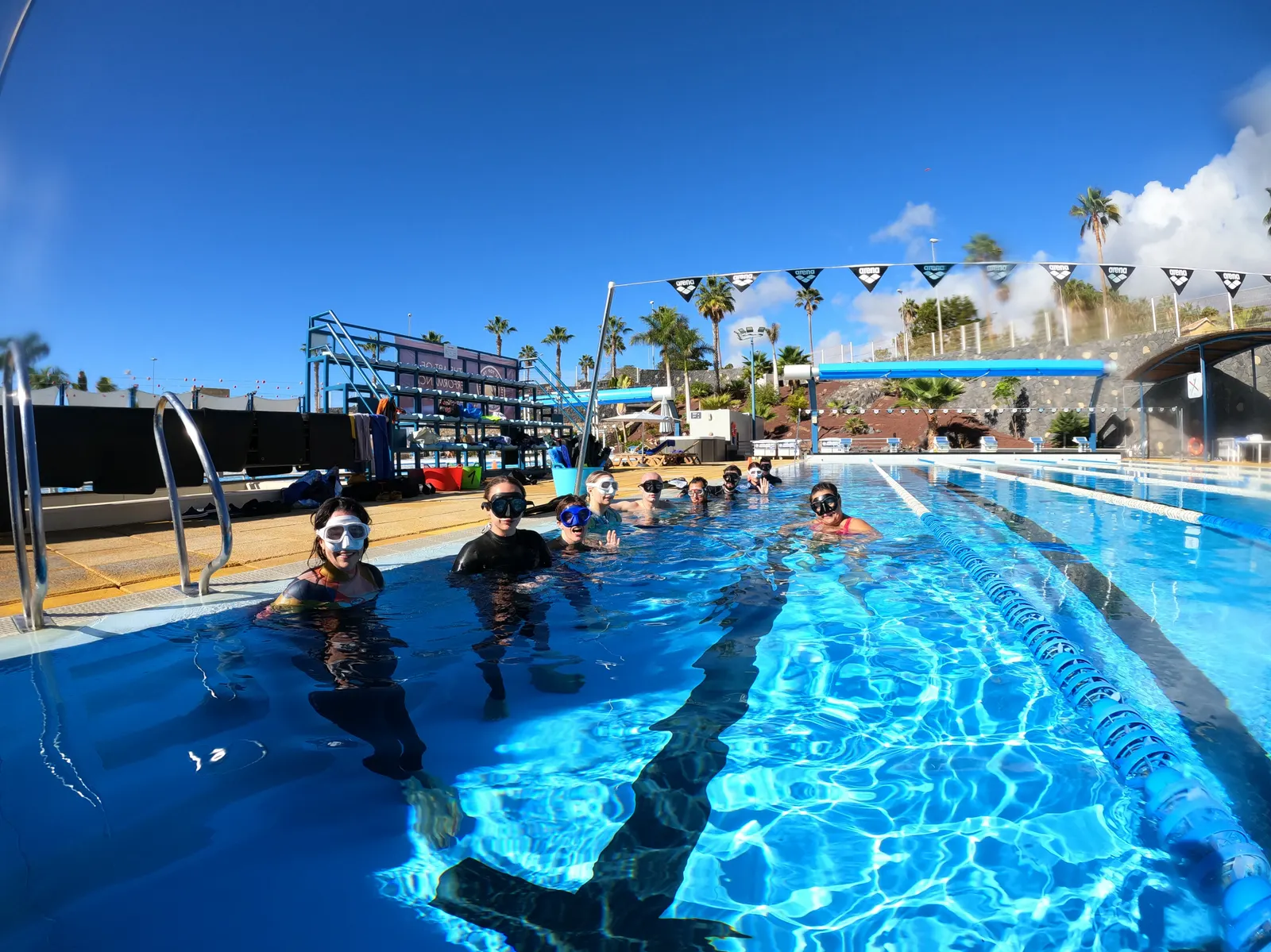
Apnea training - confidence in the water starts with your breath
The fear of running out of air is one of the biggest mental barriers in surfing. That's why we're bringing more and more elements of apnea training into our camps - breathwork, adapting to stress and learning to stay calm underwater.
This isn't a course for freedivers. It's a real tool for any surfer who wants to feel calmer, more confident and safer.
Apnea exercises help you:
understand how your body reacts under stress,
improve your breath-hold tolerance,
build trust in yourself in the water.
Our guests often tell us that only after this kind of training did they feel they could really trust their body - even in tougher situations.
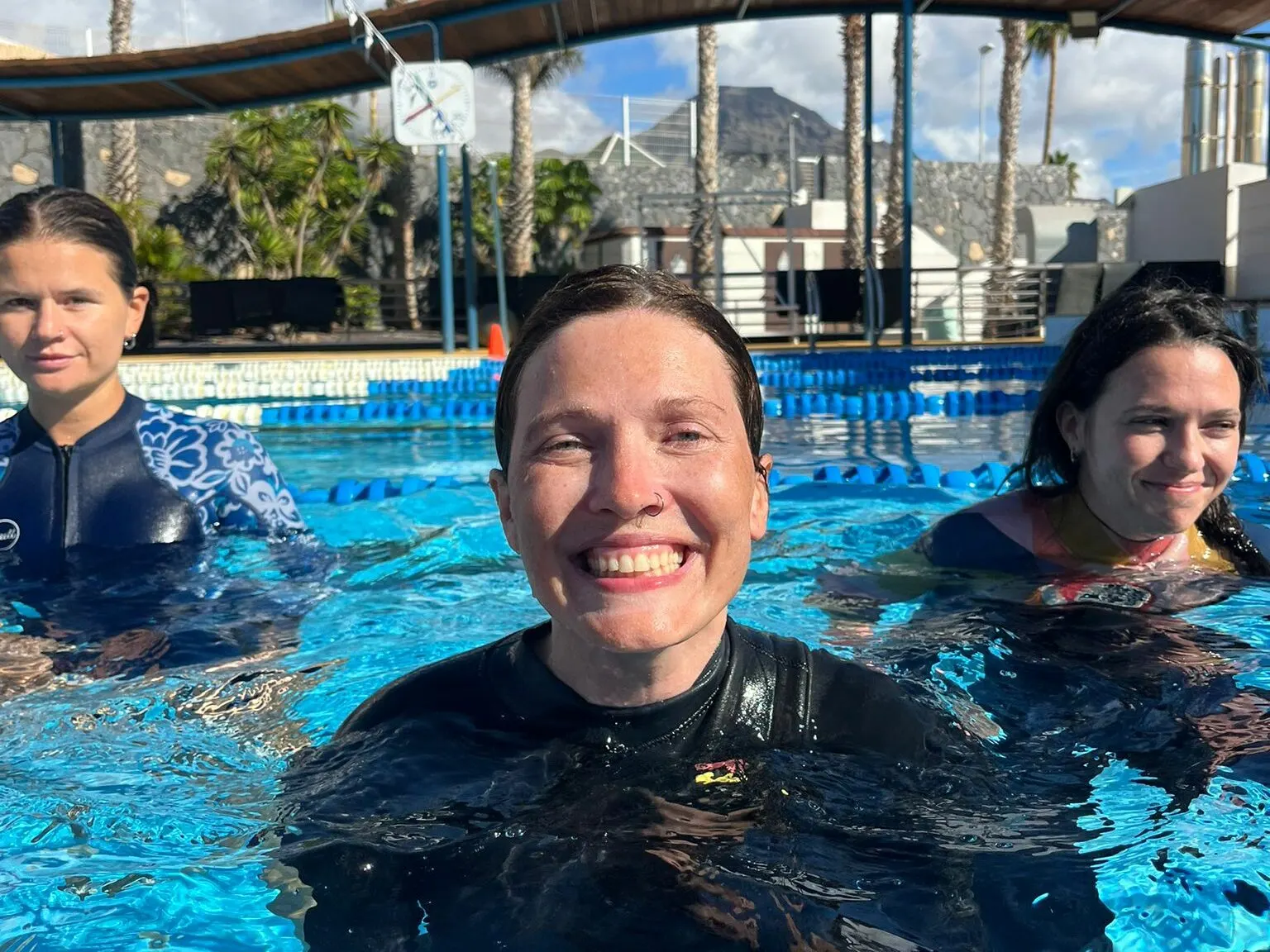
Tips for starting out - how not to give up after your first wipeout
Start slowly - you don't have to master everything at once.
Don't compare yourself to others - everyone has their own path.
Talk about how you feel - your coach is there to support you.
Do an apnea course - it's really worth it.
Give yourself time - surfing is a process, not a race.
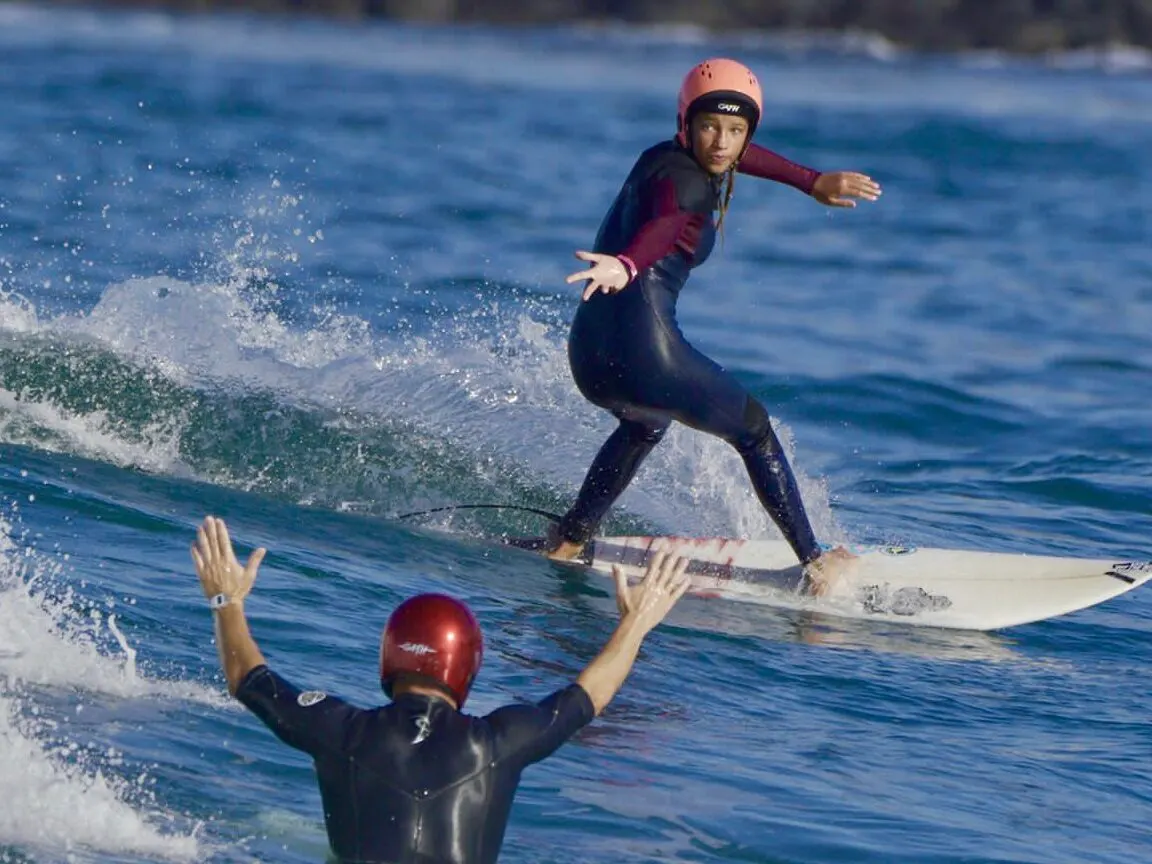
Summary
The ocean teaches humility. But it also teaches trust: in yourself, in the people around you, in the process. Fear doesn't disappear overnight. But once you stop fighting it and start understanding it, it stops holding you back.
At our camps we don't just teach surfing. We teach how to be in the ocean. And whether you're scared of the waves, of running out of air or of your own thoughts - we're there to go through it with you. No rush. No pressure. Full support.
Written by Don, LASTOUT Team