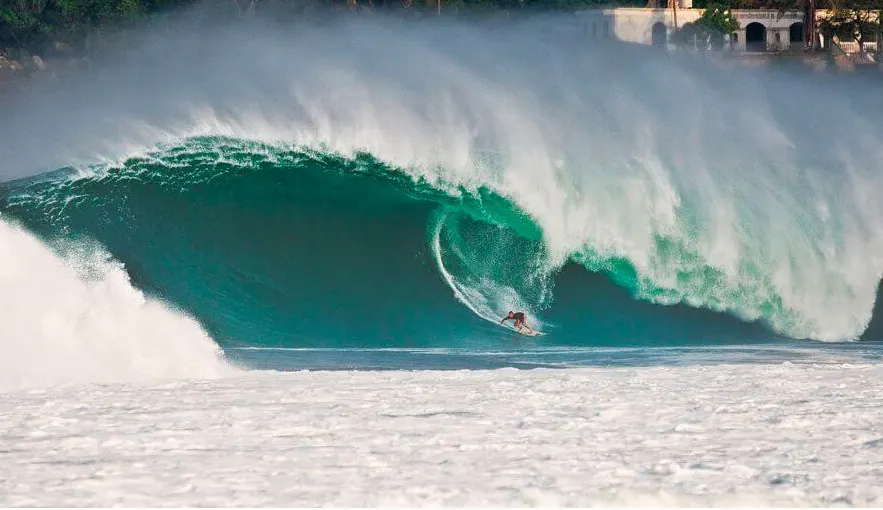
To a first-time viewer, surf competitions often look like complete chaos. No fixed schedule, a few surfers sitting around waiting for waves and rules that make no sense can put you off within minutes. But once you get the basics and learn how surf contests and the WSL system work, watching the competition becomes seriously addictive.
What are surf competitions all about?
For most people who don't know the sport, surf contests can be hard to watch. The unusual format, confusing rules and lack of a regular schedule mean a lot of people give up after a few minutes.
I remember the first time I put on a webcast - for half an hour I felt like nothing was happening, I didn't understand who was winning or what I was even watching. But then I got completely hooked. And now, if I'm not watching live, it's only because I'm asleep.
What is the WSL and how do the competition tiers work?

The main organiser of pro surfing contests is the World Surf League (WSL). Its tour is where world champions are crowned. The system has three tiers:
Qualifying Series (QS) - open events all over the world, e.g. in Portugal, Morocco or the Philippines. This is where up-and-coming surfers can start their competitive journey.
Challenger Series (CS) - the next level up, which lets you qualify for the elite.
Championship Tour (CT) - the top league, where the best men and women surfers battle for the world title.
The Polish surf scene is picking up speed. Names like Karolina Marczak, Kuba Kuzia and Max Michalewski show that Poland has no shortage of talent with the ambition and skills to make a mark internationally. It's not CT level yet, but who knows - maybe soon we'll see a Pole among the very best.
What does a Championship Tour season look like?
The CT is 12 stops (events) at different places around the world, including Pipeline (Hawaii), Peniche (Portugal), Teahupo'o (Tahiti) and Jeffreys Bay (South Africa). These locations aren't random - they're world-class waves, chosen so that at specific times of year they deliver the best possible conditions for competition.
Thanks to that variety, every stop in the season throws completely different challenges at the surfers. Each event is a separate contest, with its own winner and points for the rankings. After 11 events, the top five make it to the big final, held in Fiji.

How are surf competitions scored?
Contests are run in 'heats' - head-to-heads between 2 or 3 surfers in the water. Each heat lasts around 30 minutes. Surfers can catch as many waves as they like, but only their two best count, each scored from 0 to 10 points. The maximum heat total is 20.
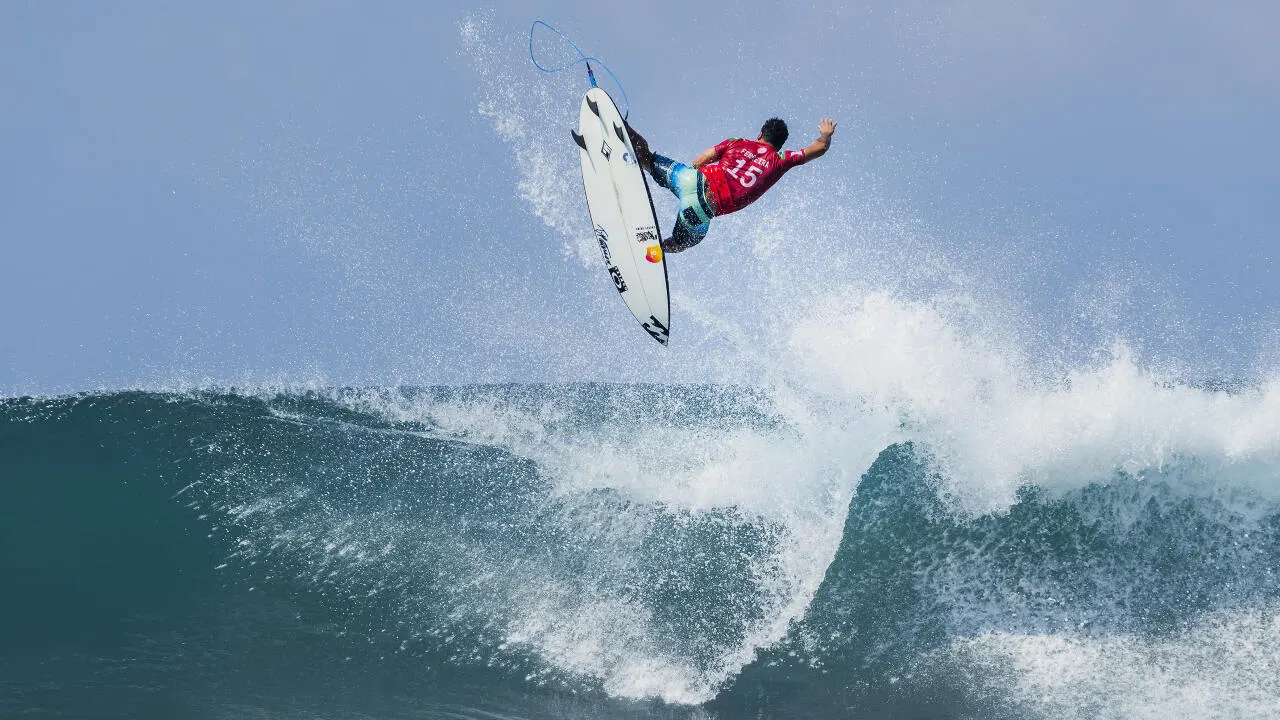
The judges look at:
the difficulty and quality of manoeuvres,
creativity and flow,
choosing the right wave (its size, shape and difficulty).
It's exactly this element - the fact that every wave is different, unpredictable and dependent on conditions - that makes surfing a sport you can never fully plan.
What is 'priority' in surfing?
Heats run on a 'priority' rule - the surfer with priority has the right to the wave. After each wave, priority passes to the next surfer. It's a big part of the strategy in competition.
Why don't surf contests have fixed dates?
Every event has a so-called waiting period (7-10 days) during which the contest can run - but only when the waves are right. Every morning there's a call on whether the surfers will hit the water that day. All because the ocean doesn't work to a calendar 😉
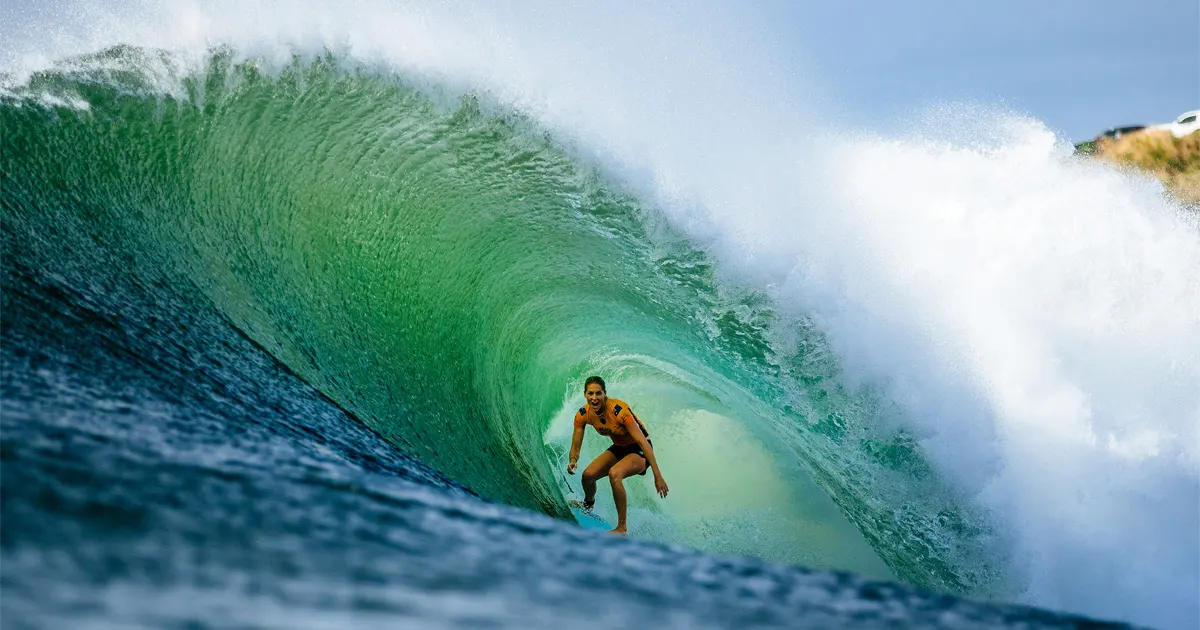
Surf competition rounds - how does it work?
Seeding Round - seeding the surfers.
Elimination Round - the lower-ranked surfers fight to survive.
Knockout Rounds - a classic 1-on-1 bracket all the way to the final.
Is it worth watching surf competitions?
Absolutely. Once you know the rules, you'll appreciate how complex this sport is. Surfing isn't just about waves - it's strategy, instinct and huge emotion. Personally, I follow every event, and not just to cheer. For me it's a way of learning. Watching the best surfers in the world, you can pick up incredibly valuable details, like wave selection, positioning or choosing the right manoeuvre for the right section. I then try to test those details on my own surfing and pass them on to our guests on our trips.
Rule changes for the 2026 season
The WSL recently announced that the 2026 season will have a slightly different format. The Seeding Round and the 'Final Five' finals format are going away. Instead, the league is returning to the classic points system, and the last event of the season will be held - like in the old days - at the iconic Pipeline. Fans of the traditional way will be happy.
Written by Hubert, LASTOUT Team