A lot of people think of surfing as an extreme sport, but the truth is that most surf sessions happen in fairly safe conditions. There are, however, places that keep showing up on lists of the most dangerous waves in the world. Pipeline in Hawaii, Teahupoʻo in Tahiti and Mavericks in California are spots meant only for the most experienced surfers out there.
Is surfing an extreme sport?
Most sessions are safe, but the ocean can be completely unpredictable. The power of the waves, shallow reef, rocky bottoms and the sheer force of moving water make some surf spots notoriously dangerous - even for professionals.
The most common cause of surfing injuries is contact with your own board or someone else's - that accounts for 45% of cases. Wipeouts cause 36% of injuries, and 18% of surfers get hurt hitting the sea floor.
But there are places in the world where a wave can mean real danger - even for the most experienced. The spots below are legendary for a reason. Every so often they claim lives, so unless you're a pro, keep your distance.
Note: every spot described here is an extreme wave. The people surfing them are professionals with years of experience.
Pipeline, Oʻahu, Hawaii - the most dangerous wave in the world
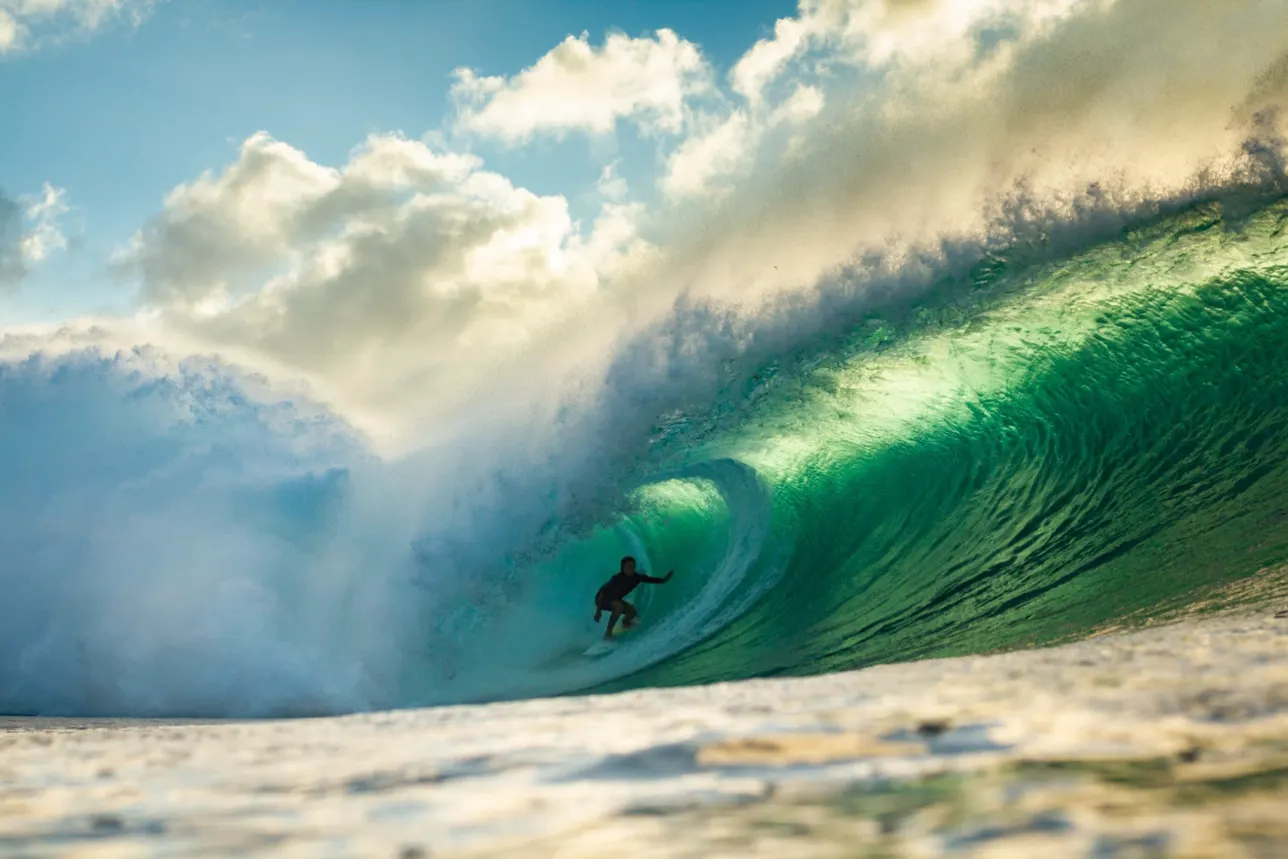
Pipeline is an icon - and also the most dangerous wave on the planet. Since 1989, 18 deaths have been documented there. Injuries? Too many to count.
In December 2015, Evan Geiselman was knocked unconscious after hitting the bottom. He was saved by another surfer, Andre Botha, who bravely dived in and started resuscitating him while still in the water.
Even so, every year Pipeline pulls in hundreds of surfers dreaming of taking on the legend. The problem is, this wave doesn't forgive mistakes.
Teahupoʻo - Tahiti's legendary wave
Out in French Polynesia, Teahupo'o is as beautiful as it is ruthless. It breaks against a backdrop of tropical jungle and hosted the surfing event at the 2024 Olympic Games.
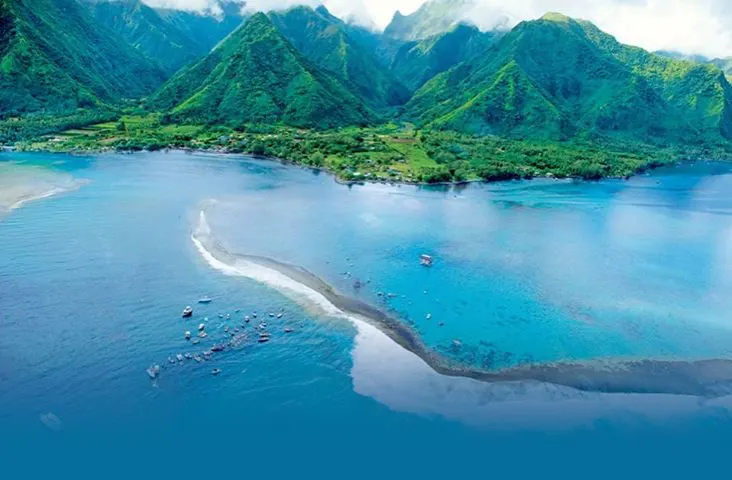
Once known as 'The End of the Road', its name in the local language today means 'place of the broken skull'. That says it all.
The wave has taken the lives of five surfers. One of the most talked-about accidents involved Niccolo Porcella in 2015 - he survived, but described the experience as 'annihilating'.
Puerto Escondido - the Mexican beast
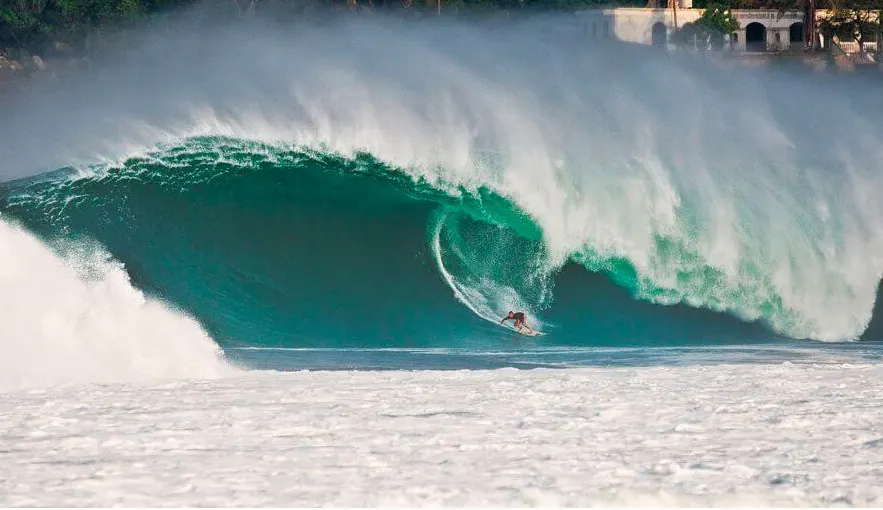
On Mexico's Pacific coast, the wave at Puerto Escondido has claimed the lives of three surfers. Rescue systems have improved in recent years, but the heaviest days still mean real danger.
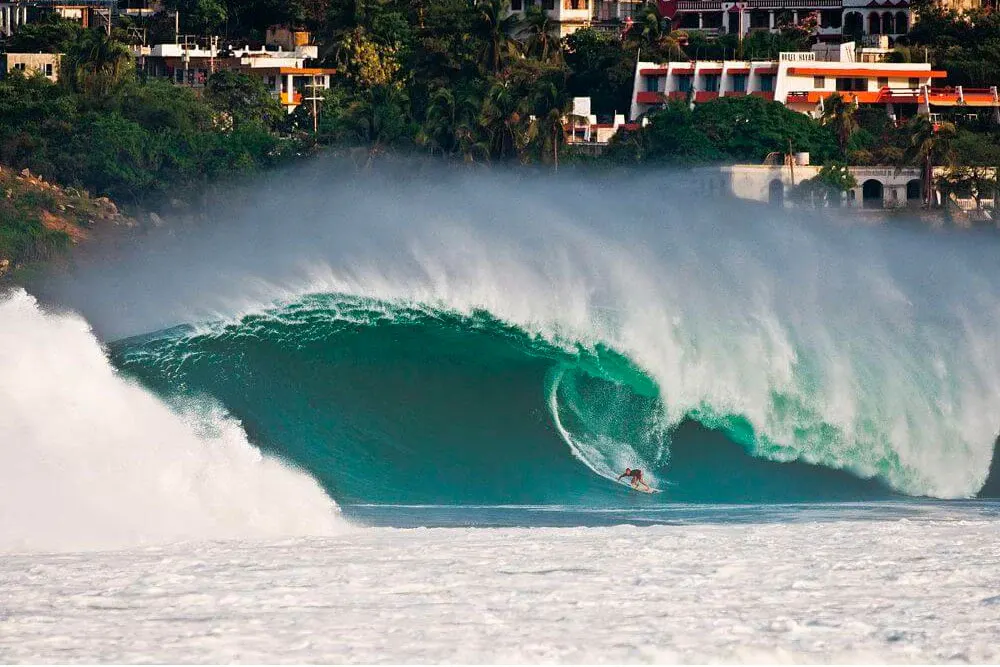
During the Puerto Escondido Challenge, experienced surfer Makua Rothman was held under by a huge wave. When he came up, he said his 'lungs were full of foam', and it took him a long time to recover.
Waimea Bay - the birthplace of big wave surfing
Waimea Bay on Oʻahu's North Shore played a key role in the birth of big wave surfing. It's home to the prestigious Quiksilver Big Wave Invitational, held in memory of the legendary surfer Eddie Aikau.
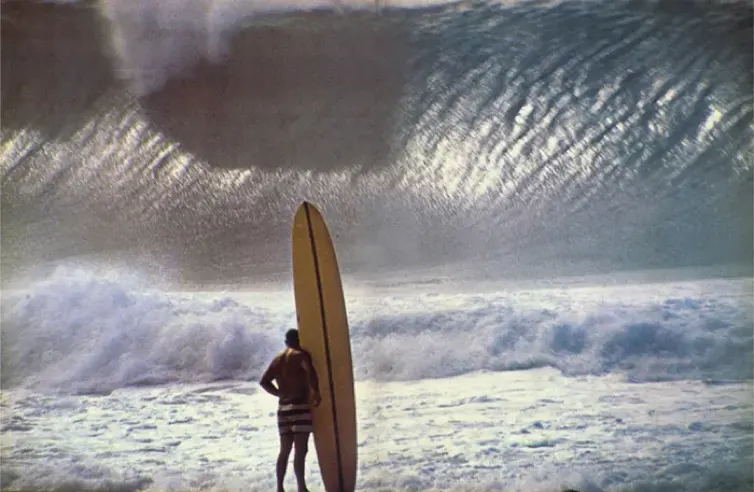
The contest only runs when the swell reaches at least 6 metres - which is why it has been held just ten times over the years.
The most recent recorded tragedy happened in October 2015, when surfer Alec 'Ace' Coole disappeared in the waves. He was never found.
Mavericks - California's brutal wave
Mavericks, in Northern California, is one of the most brutal waves in the world. Sion Milosky lost his life here in March 2011, and a year later Jacob Trette came close to the same fate.
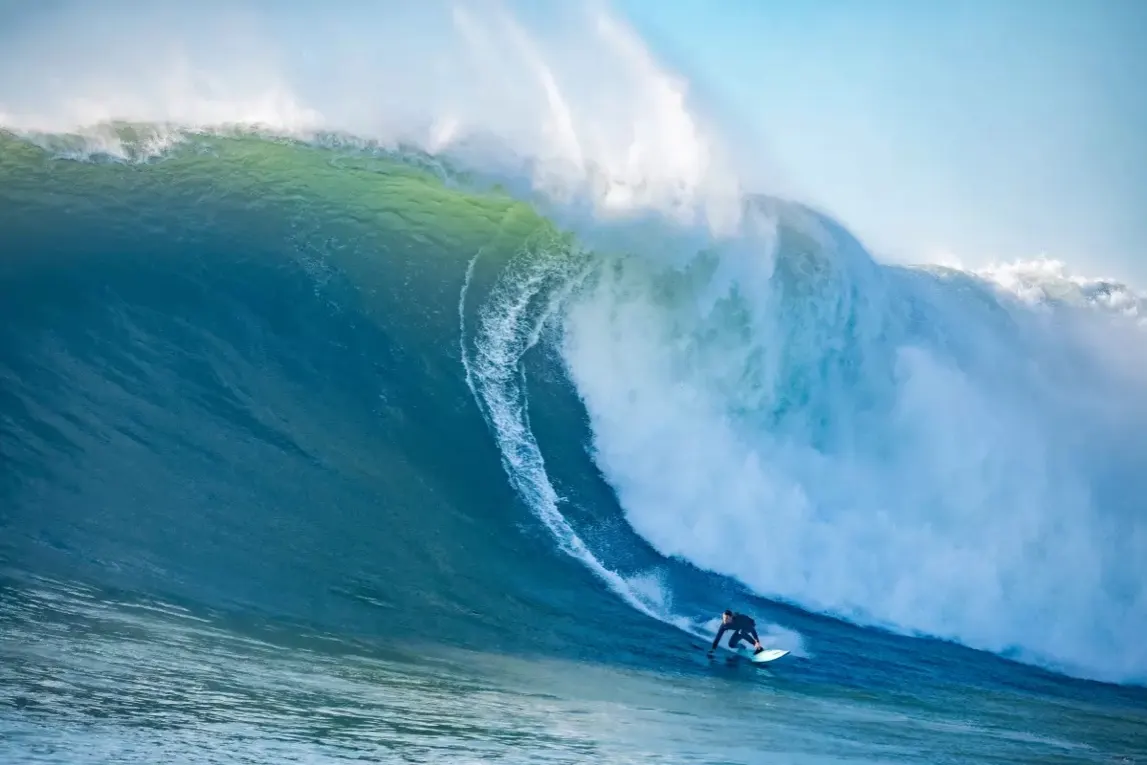
The string of accidents at Mavericks inspired Shane Dorian to create the inflatable safety vest that most big wave surfers wear today.
The world's most dangerous waves grab the attention of surfers and adrenaline junkies alike, but remember: surfing is a sport that takes experience, humility and proper preparation. The ocean is a force of nature. Respect it, watch it, learn from it - and start out in safe conditions.
If you want to try surfing in a controlled environment, with experienced coaches by your side, check out our surf camp locations. We run surf trips for both beginners and advanced surfers.
Written by Emi, LASTOUT Team