For years, women in surfing had to fight for their place in a male-dominated world. Today women's surfing is growing faster than ever, and female surfers around the globe are proving that waves have no gender.
Over the years, women's surfing has faced plenty of obstacles. Women were once largely ignored and seen more as "companions" than as surfers in their own right. Contests were for men only, with no women's category. But in recent decades women like Stephanie Gilmore, Carissa Moore and Caity Simmers have broken down barriers, winning world titles and inspiring a new generation of surfers.
What is the history of women in surfing?
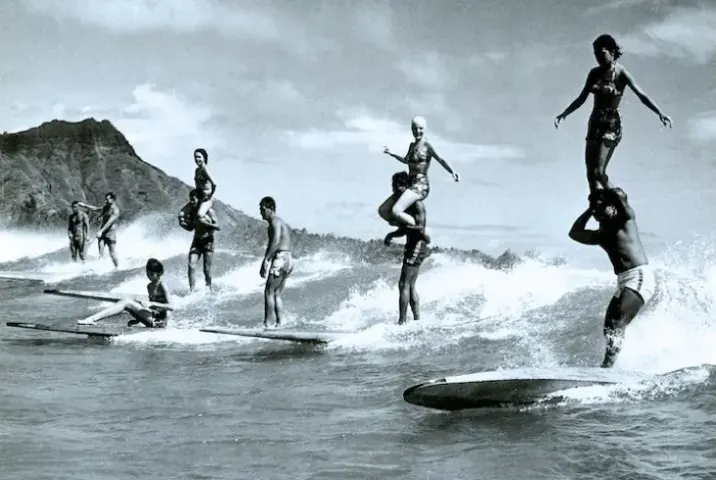
The history of women in surfing goes back to the 15th century, and probably even earlier. Although women's surfing is booming today, for many years women were pushed to the margins. It may come as a surprise that the first women's big-wave surf contest wasn't held until 1986.
One of the first documented female figures in surfing was Princess Kelea from the Hawaiian island of Maui. Known as the "surfing princess", Kelea was probably the best surfer on the island in the mid-15th century. She married the chief of a local tribe and moved to his village in the uplands of Oʻahu. But her passion for surfing proved stronger - gripped by "surf fever", she eventually left her husband and returned to Maui to ride the waves again.
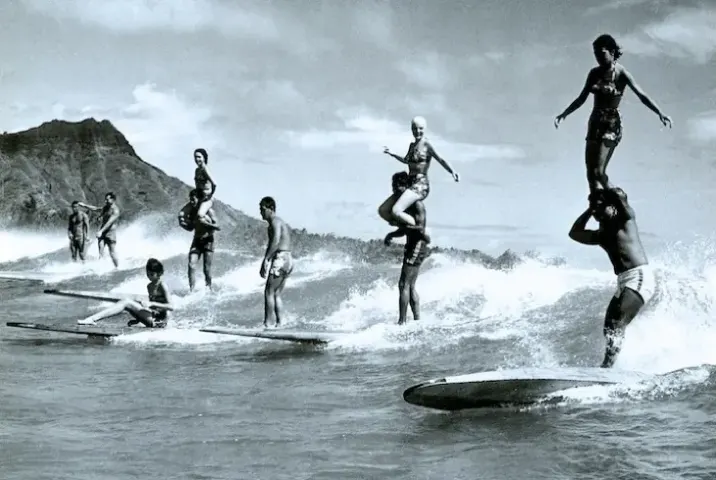
Women's surfing through the years
History shows that women in surfing had to deal with prejudice and unequal treatment for a long time. In 1963, big-wave pioneer Buzzy Trent said he "couldn't stand women trying to ride big waves". The San Diego local had already become internationally famous in 1953, when he was photographed on a 20-foot wave at Mākaha.
Even in the late 90s, the situation for women in surfing left a lot to be desired. Australian surfer Pauline Menczer won the world surfing title at just 23. That same year, the men's world champion received a bonus of 25,000 pounds - she got nothing.
At the awards ceremony in Honolulu, Menczer noticed that her trophy... rattled. It turned out to be broken - a metal part hadn't been properly attached to the base. Menczer herself said that the missing prize money and the faulty trophy summed up the attitude to women's surfing in the 80s and 90s perfectly.
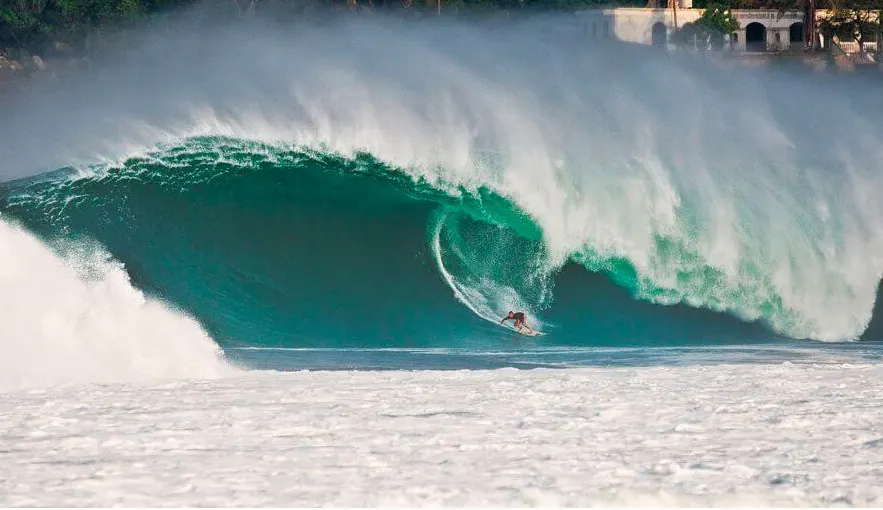
The breakthrough only came many years later. In October 2018, women were allowed to compete at Mavericks for the first time, and the prize money was made equal. It was an important step towards equality and the growth of women's surfing worldwide.
What does women's surfing look like today?
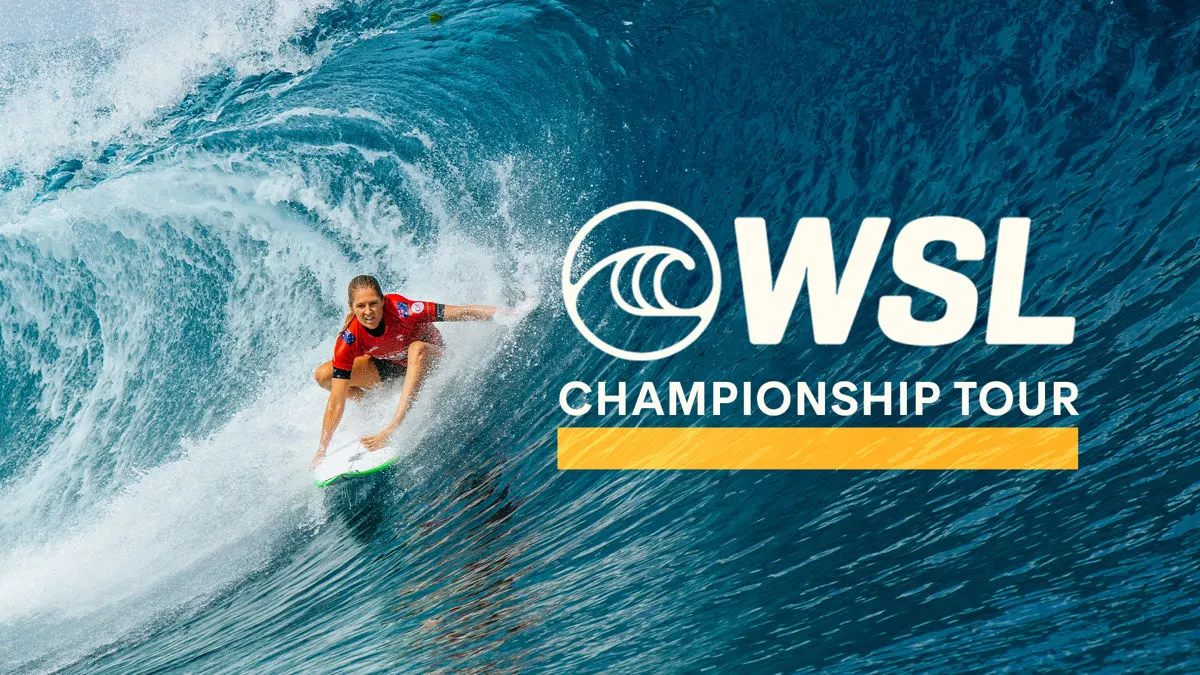
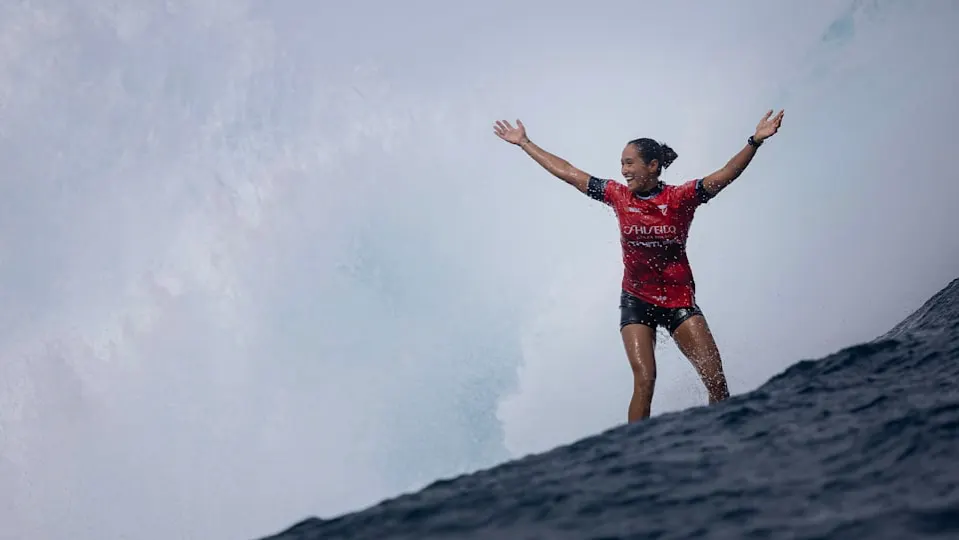
In recent years, women in surfing have taken a huge step towards full equality. The WSL Championship Tour returned to Tahiti for the 2022 Outerknown Tahiti Pro - and for the first time in 16 years, women competed at the legendary Teahupoʻo, which also hosted the surfing events of the 2024 Paris Olympics. That event became an important symbol of change in the surfing world.
Since 2022, women's events have been fully on par with the men's. That means the same number of events, the same locations and equal prize money. Women's surfing is no longer treated as a side show to the main event - it has become an integral part of it.
Over the last few years, female surfers have proved that their style, courage and level of performance are every bit as good as the men's. Today's generation of athletes didn't just fight for a place on the Women's World Tour - they've actively grown women's surfing through their results, events and their own brands and clothing lines.
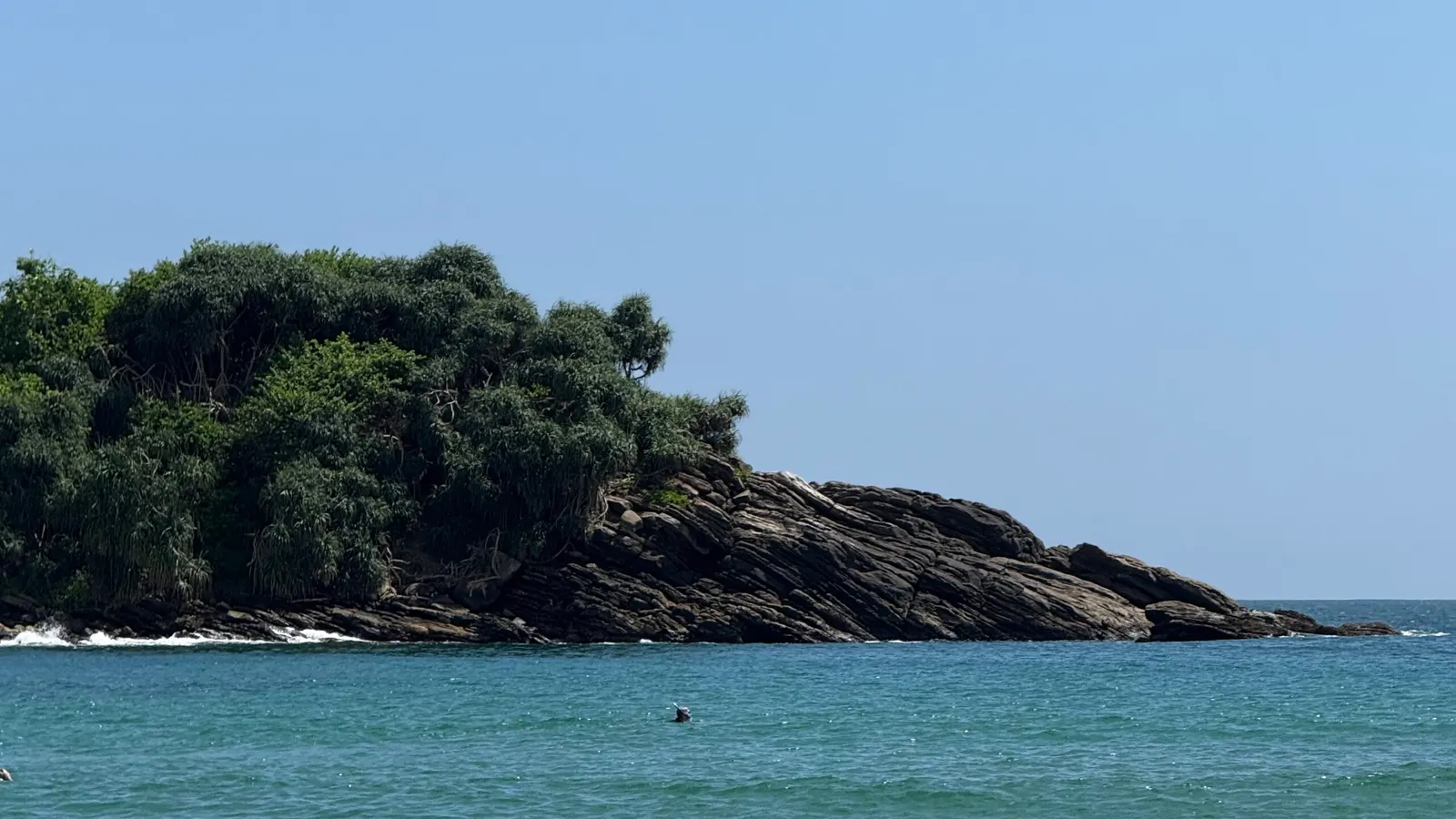
Despite huge progress, in some parts of the world women still face barriers. In Sri Lanka, for example, local female surfers are still a rare sight and often face restrictions rooted in cultural and religious norms. In response to these challenges, the organisation "Sea Sisters" was set up to support women in surfing, break down stereotypes and educate local communities.
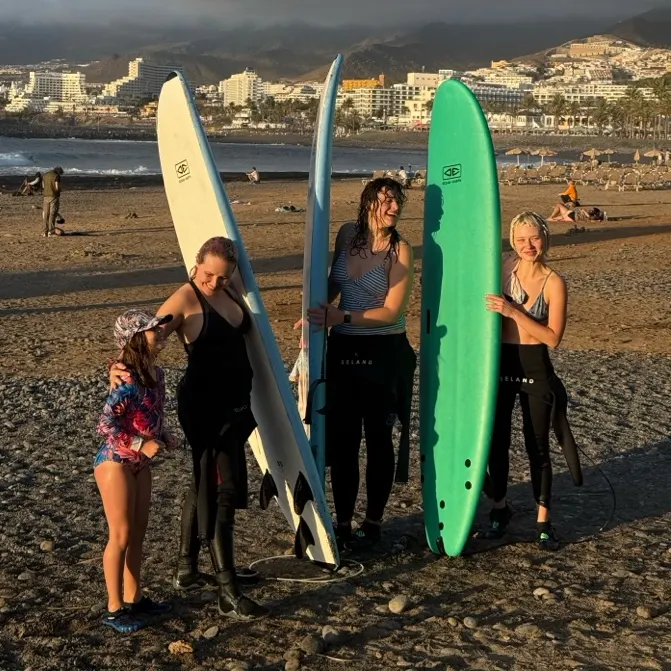
Interestingly, at LASTOUT camps we often host more women than men, and we've even had groups that were 100% female. It's the best proof of how fast women's surfing is growing and how much interest there is in the sport among women - often even more than among men.
And you - have you tried your hand at the waves yet? Join our surf camp and become part of the growing community of women in surfing.
Written by: Emi Kociemska, LASTOUT Team
Edited by Krzysztof Gromnicki